

paul goobie
7 months ago

Practice Area
The minutes, days, and weeks after a bicycle accident determine whether you recover full compensation or leave money on the table. This step-by-step checklist from a Board Certified Civil Trial Lawyer shows you exactly what to do — and the costly mistakes to avoid. Our No Risk Pledge: You Pay Us Nothing Unless We Win Your Case
After a bike accident in Florida, stay at the scene, call 911, exchange information with all parties, photograph the scene and your injuries, report the crash to your insurer, and seek medical treatment within 14 days to preserve your PIP benefits. Avoid giving recorded statements, signing insurance documents, or posting on social media before speaking with a bicycle accident attorney.
When you’re injured on a bike, you need a legal team that rides, litigates, and wins:
Every action you take after a bicycle crash either strengthens or weakens your future claim. Florida’s no-fault insurance system, its strict deadlines, and the tactics insurance adjusters use all reward cyclists who follow a disciplined checklist. Here are the ten steps that protect your health and your legal rights.
Insurance companies profit by paying you less, and they rely on injured cyclists making predictable mistakes. Avoid these ten, and you deny the insurer its favorite weapons.
We have big firm ability and experience, boutique firm creativity, and personal attention.
Clients can rely on us to be approachable, responsive, efficient, and effective. We respond promptly to telephone calls, report regularly on case developments, and stay on top of changes in the law.
Communication is one of the most critical and often overlooked aspects of the attorney-client relationship.
Knowing where you stand during a difficult time can be very comforting. We manage cases using a team approach; the client is an integral team member.
Working closely with you as the client, our attorneys quickly analyze the merits of each case, evaluate the underlying facts and law, and develop a strategy.
When the talents of their outstanding support staff join them, they provide clients with truly exceptional legal representation.
Many cyclists are surprised to learn that Florida’s no-fault auto insurance system covers them even on a bike. If you own a car with a Florida auto policy — or live with a resident relative who does — that policy’s PIP coverage pays your medical bills after a bicycle-versus-vehicle crash, up to $10,000, regardless of fault. This is why the 14-day treatment deadline in § 627.736 matters so much for cyclists: the coverage exists, but only disciplined action preserves it.
PIP is only the starting point. When a bicycle accident causes significant injury — and bike crashes usually do, since the cyclist has no steel frame protecting them — Florida law allows you to step outside the no-fault system and pursue the at-fault driver for full damages. Serious injuries under Florida Statute § 627.737 (significant and permanent loss of an important bodily function, permanent injury, significant scarring or disfigurement, or death) open the door to pain and suffering damages that PIP never pays.
Florida now applies modified comparative negligence under Florida Statute § 768.81: your recovery is reduced by your percentage of fault, and if you are found more than 50% at fault, you recover nothing. Insurers exploit this aggressively against cyclists — claiming the rider swerved, ran a light, or rode at night without lights. This is why scene evidence, witness statements, and disciplined silence about fault matter from minute one. Crashes cluster on a handful of local corridors — see our guide to bike-friendly vs dangerous streets in Palm Beach.
For accidents occurring on or after March 24, 2023, Florida’s statute of limitations for negligence claims is two years from the date of the crash under Florida Statute § 95.11 — cut in half from the old four-year rule. Wrongful death claims are also subject to a two-year limit. Miss the deadline and your claim is barred forever, no matter how strong it is.
Florida has one of the highest rates of uninsured drivers in the nation, and the state’s minimum coverage requirements do not include bodily injury liability. If you carry uninsured/underinsured motorist (UM/UIM) coverage on your own auto policy, it protects you on your bike too. An experienced attorney will identify every layer of available coverage — the driver’s liability policy, your UM coverage, umbrella policies, and potentially claims against third parties like negligent road maintenance or a defective bike component.
When you follow the checklist above and then hire BillBone Law Group, here is how we take your case from crash to compensation:
Economic Damages: Medical bills (past and future), lost wages, diminished earning capacity, bicycle and property damage, and out-of-pocket expenses like transportation to medical appointments and home care.
Non-Economic Damages: Pain and suffering, emotional distress, loss of enjoyment of life (including the loss of cycling itself), scarring and disfigurement, and loss of consortium for your spouse. These often exceed economic damages in serious bike accident cases — but only when injuries are documented the way this checklist describes.
Punitive Damages: In cases involving drunk driving, hit-and-run, or other reckless conduct, Florida courts may award punitive damages to punish the wrongdoer and deter others. These require clear and convincing evidence of gross negligence or intentional misconduct.
We work on a contingency fee basis: no fees or costs unless we win. Our free consultations are available 24/7, including evenings and weekends, ensuring you can reach us anytime.
The ten “don’ts” above exist for one reason: insurance companies systematically undervalue bicycle accident claims. Adjusters push for recorded statements before you’ve spoken to a lawyer, dangle quick lowball settlements before your injuries are fully diagnosed, and blame the cyclist using Florida’s comparative negligence rules — the same playbook they run against motorcycle riders. BillBone Law Group exists to level that field — when insurers see a Board Certified Civil Trial Lawyer on the other side, the conversation changes.
Stay at the scene, get to safety, and call 911. A police response creates the official crash report that anchors your entire claim, and an on-scene medical evaluation documents your injuries from minute one. Never leave before exchanging information with all parties.
Yes, if you want PIP benefits. Florida Statute § 627.736 requires initial medical treatment within 14 days of the crash to qualify for up to $10,000 in Personal Injury Protection benefits. Miss the deadline and those benefits are lost entirely, even if the crash wasn’t your fault.
Yes. If you own a Florida auto policy — or live with a resident relative who does — its PIP coverage applies when you’re struck by a vehicle while cycling. This surprises many cyclists, and it’s why prompt reporting and the 14-day treatment rule apply to bike crashes too.
No — not without a lawyer. You have no legal obligation to give the at-fault driver’s insurer a recorded statement, and adjusters are trained to elicit admissions that reduce your payout. Refer all contact to your attorney.
You may still recover through your own uninsured motorist (UM) coverage, which follows you onto your bike. Florida has one of the highest uninsured-driver rates in the country, so UM coverage is often the most important policy in a cyclist’s case. A lawyer can identify every available source of coverage.
Two years from the date of the crash for accidents on or after March 24, 2023, under Florida Statute § 95.11. Wrongful death claims also carry a two-year limit. Evidence disappears far sooner than that, so contact a lawyer as early as possible.
Yes, as long as you were not more than 50% at fault. Florida’s modified comparative negligence law reduces your recovery by your percentage of fault and bars recovery entirely above 50%. This is why you should never admit fault at the scene — fault is a legal conclusion, not a roadside apology.
No. Insurance investigators monitor claimants’ social media, and even innocent photos or comments can be twisted into evidence that you weren’t seriously injured. Post nothing about the crash, your injuries, or your activities until your case is resolved.
Nothing upfront. BillBone Law Group works on a contingency fee: we’re paid only from the compensation we recover for you. Consultations are free, available 24/7, in English or Spanish.
The police report, scene photos (vehicles, road conditions, skid marks, signage), witness contact information, your damaged bike, and continuous medical records. Photographic documentation of your injuries over time and a daily pain journal significantly strengthen non-economic damage claims.
There are so many West Palm Beach bike accident lawyers that it’s nearly impossible for the average person to identify and choose one truly among the area’s top practitioners. It’s true—in fact, there are far too many … but it’s equally valid that there aren’t enough really good ones. So how do you identify and choose one of the really good ones?


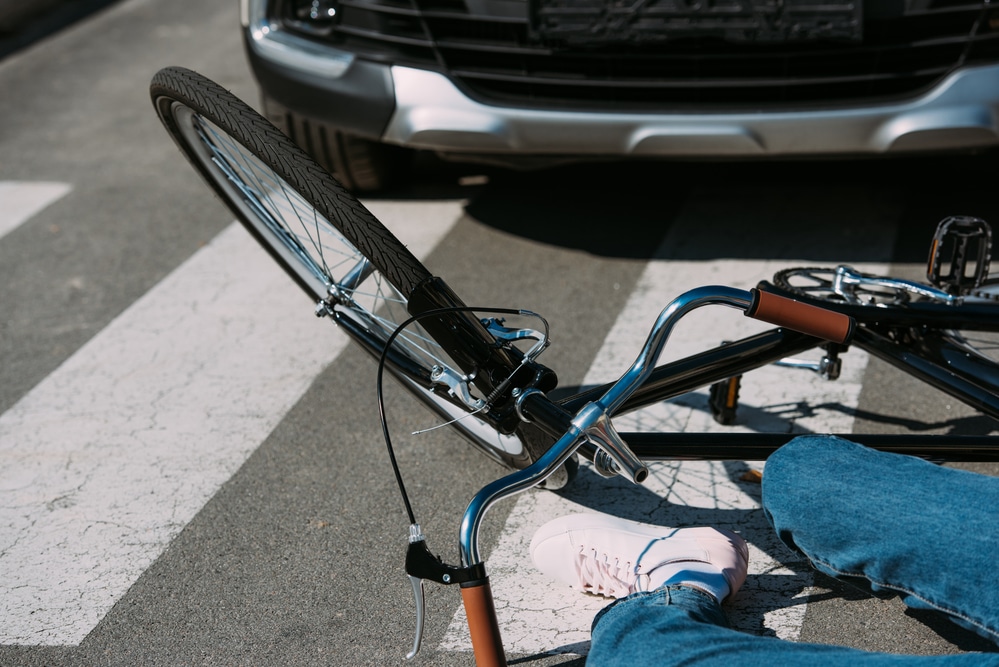
The deadlines in your bike accident case started the moment you hit the pavement. You have just 14 days to get medical treatment and preserve your PIP benefits, and only two years to file a lawsuit under Florida’s shortened statute of limitations. Skid marks fade, surveillance footage gets overwritten, and witnesses’ memories dim — the evidence that wins cases disappears fastest in the first days after a crash. Call 561-810-3675 now for a free, no-obligation case evaluation. We’re available 24/7, in English and Spanish, and you pay nothing unless we win.

7 months ago
Bill Bone and his Law Group are excellent. A well run, well oiled machine. Intelligent people with superb service, knowledge and support. I highly recommend them.

9 months ago
Bill Bone and his Staff are Professionals! They handle my case with respect, dignity and in a timely fashion, while keeping me informed of all actions, Bill came thru on all his promises, I hope I don’t need an injury lawyer again, but if I do BBLG will be my teammates of choice. 😎

10 months ago
I highly recommend the team at BillBone law group. I didn't know what to do after I was hit by a car. The team at BillBone helped me seamlessly navigate the whole process from the legal issues, the medical bills, to the insurance headaches. The result was a successful financial recovery and the the teams dedication throughout was priceless. THANK YOU, BILL BONE & TEAM

1 year ago
From the time I called the Bone group after my accident to the final settlement the entire office crew have been very compassionate and caring. They did a great job getting all the facts needed to win my case. They handled everything including getting medical and police records to dealing with the insurance companies. This made my recovery time so much easier as I could concentrate on healing and rehab. Highly recommend this group for your personal injuries.

1 year ago
My law firm is BillBone Law Group. My lawyer is Bill Bone, and his fine team of associated professionals, Kyle, Mark, Liz, Kathleen, Chris, and Janet to name a few. Everything was explained in such a way, and with such completeness, transparency and understanding, that little if any questions were necessary. All was settled quickly and efficiently. Bill Bone certainly does live up to his/their reputation.

1 year ago
Hello fellow cyclist I got hit by a car so I reached out to the Team at Bill Bone Bike Law. Bill and his team were great. They guided me through the process and took care of everything. I would definitely recommend them.

2 years ago
I was involved in a horrific bicycle accident and severely injured. When I decided to pursue my case legally it seemed everyone in the biking community all recommended Bill Bone. I’m now adding my name to that long list of recommendations. He and his legal, office, administrative and investigative staff, were extremely competent, thorough, professional and aggressively pursued my case. I was very satisfied with the final settlement and recommended his services unequivocally.

2 years ago
Mark Hassell, in the office of Bill Bone, was always extremely helpful and communicative. He took the time to express care and concern for friends when they were injured by cars while cycling. He explained the process clearly and was a great help from start to finish. Extremely professional and knowledgeable. Highly Recommend!

3 years ago
I recently was involved in a Bike accident where a car hit me on my bicycle. I had no idea where to start in order to get compensation for my damaged property. Luckily Mark over at Bill Bone Cycling Law helped me every step of the way and made me feel confident in getting the situation resolved! Thanks again! I would definitely recommend!

3 years ago
I recently had the privilege of working with the remarkable team at Bill Bone Law Firm, and I cannot express enough my gratitude for their honest and thoughtful service. From the moment I reached out to them seeking legal assistance, I was met with professionalism, expertise, and genuine care. From the initial consultation to the resolution of my case, the entire experience was seamless and reassuring. The attorneys at Bill Bone Law Firm exhibited an impressive depth of knowledge and skill in their respective areas of practice. They took the time to thoroughly understand the intricacies of my situation and provided me with clear explanations and guidance every step of the way I can confidently say that my experience with Bill Bone Law Firm exceeded my expectations. They demonstrated integrity, compassion, and an unwavering commitment to advocating for my rights. Their attention to detail and thorough approach ensured that no stone was left unturned, resulting in a favorable resolution to my case. If you are seeking legal representation, I wholeheartedly recommend Bill Bone Law Firm. Their honest and thoughtful service, combined with their exceptional legal expertise, distinguishes them as a top-tier law firm. I am immensely grateful for their support and wouldn't hesitate to turn to them again in the future. Thank you, Bill Bone Law Firm, for providing me with outstanding legal representation and truly making a positive difference in my life. Sincerely, Reuel Ferro

3 years ago
Thank you for Bill Bone and staff for taking my case. It was nice that you gave me such good advice, but always let me make the decisions about my case. lucky for for me I listened to most of that advice. Its nice to say that your not only my attorney, but also my friend. I also would like to thank your staff especially liz for being so patient and kind. And as far as our cruise goes I hit the slots for 40k too bad it was penny slot! Thanks again for my result and meeting such nice people. Sincerely Matt and Cindy

3 years ago
Bill Bone and his team were excellent throughout the entire process. Bill Bone, Steve, and Alexa walked me through each step, were responsive, and genuinely cared about my personal situation. Thank you all for your time, assistance, and help during a trying time, I sincerely appreciate each and every one of you!

3 years ago
I was referred to Bill Bone and his law firm from a family member who they also helped. Truly exceptional! They settled my case quickly and conveniently. If found needing legal representation from an accident, I highly recommend Mr. Bone and his team. They worked genuinely in my best interest. The staff...wonderful.

4 years ago
Bill Bone and his staff took great care of me after being hit by car on my bicycle . I recommend Bill Bone to any cyclist with an accident

4 years ago
Bill Bone was a tough negotiator and was thoroughly prepared for trial. The Insurance Company settled out of Court to everyone’s satisfaction. Bill and his team were dedicated, Kind and Compassionate during the entire process.

5 years ago
Had the wonderful experience of using Bill Bone to represent me. His entire team is so amazing, honestly it was impressive. They kept me in the loop with everything and was on top of my case. They're just an incredible law firm and I couldn't thank them enough at the end of my case. Brian, who kept me updated constantly, was so attentive and just supportive. I recommend 10 out of 10 for sure.

5 years ago
“I was in a bad crash, Mr. Bone’s team was very helpful and informative from the very beginning. Mr. Bone is THE attorney I tell all my friends to use if they are in a car crash.” Also very big " Thank You " For Mr. Brian for his professionalism and his assistance. Thank You once again

5 years ago
After I was involved in a car accident I was fortunate enough to come across Larmoyeux and Bone. Their team was able to help me in this difficult time, handling the legality around my accident and how to move forward. I would highly recommend this team to anyone seeking the same type of assistance for their professionalism, due diligence and understanding.

5 years ago
Great experience with Bill Bone and his team. We retained Mr Bone to assist us through a unfortunate situation. He counseled us and assured us there was light at the end of the tunnel. His teams communication was outstanding. Our end result exceeded our expectations. Highly recommend and solute them for their efforts.

5 years ago
I really enjoyed working with the team at Larmoyeux & Bone, Bill, Brian and Alexa are a great team! They helped tremendously on my case! I will always recommend this team for help with injuries! Very professional and got the work done extremely fast!

6 years ago
Bill Bone has the best possible haircut for a guy named "Bill Bone." When he won my case, he ripped off his shirt and shouted "YOU JUST GOT BONED" to the entire court room. Five stars for winning my case, five stars for the catch phrase, two stars for taking off his shirt in court and ten stars for the haircut

6 years ago
Mr. Bone and his staff are very professional and caring. They handled my car accident case for me and settled it to my satisfaction. I would definitely recommend them!!

6 years ago
I recently was in a car crash. I’m only 18 and the police made it out to be my fault. Mr. Bone’s team of investigators listened to me and understood what really happened. They were able to explain the crash in a way to the other guys insurance company where they accepted fault and paid for my car. Bill Bone is a great car accident attorney.

7 years ago
Absolutely above and beyond the call of duty. Both of them treated me like family and made me feel like I was their only client.

7 years ago
Took great care of me and mine several years ago. So very thankful.

7 years ago
I've the fortune (misfortune?) of dealing with several different lawyers over the course of my life and I have to sat Larmoyeux and Bone and specific Brian Labadie are by far the absolute best. they were completely open., honest and even went the extra step to work with me and on my behalf with a few stray issues AFTER their work with me was done (including a medical bill that showed up a year late). Use them, you will not regret it.

7 years ago
When I had my cycling accident I call Bone's office and I was handled with the utmost care and respect. His team was open and honest throughout the entire process and was reachable directly any time I needed them. I am grateful for their help during this difficult time. They went above and beyond my expectations. Once again thanks a million for everything.

7 years ago
I had never been in a accident before But from the first call to Bill Bone's office I was handled with the utmost care and respect . Brian the investigator who took my call initially and did so with Great care and professionalism. After our first meeting with Bryan we knew we would be taken care of . Then a meeting was set up with Bill Bone , Brian and Teresa where they answered every question . They reassured me that they had my back and really followed through . At such a scary and painful time in my life I really felt confident that they really cared. Thank you from the bottom of my heart to you all .

7 years ago
Mr. Bone and team are professional, attentive and responsive throughout this whole accident ordeal. Champions for the cycling community; and would highly recommend to friends and to anyone in the community.

7 years ago
I came into my case very suddenly and I was very young (in high school at the time) and did not know much about what I was getting myself into. Thankfully Bill Bone guided me through the process very well and was very receptive and communicative with every bit of information. I really recommend Bill Bone as anyone's Bike lawyer.

8 years ago
Mr. Bone and his staff handled my case with great excellence. They went above and beyond my expectations. I would refer them to any of my friends and family. They’re great!!!

8 years ago
I had a bad motorcycle accident when I was hit by a vehicle going through an intersection. My helmet was cracked and my bike was totaled. I went to Bill Bone who took care of the situation immediately. He was open and honest throughout the entire process and was reachable directly any time I needed him. He explained everything so that I could easily understand exactly what was going on with my case. Bill took into consideration my needs, both medically and financially, and fought tirelessly until the case was resolved in my favor. Thank you William Paul Ancheta willi

8 years ago
Bill Bone is a class act!

8 years ago
I cannot recommend Mr. Bone and his team more highly. The Team was extremely professional, diligent, organized and responsive throughout. I felt the care that the Team had for me and my needs. I never felt as if I was just another case. Thank you for being the firm that you are.

8 years ago
Bill Bone and his team are people you can trust to be smart and fierce. I am so grateful for his spot-on advice and help. There are a ton of lawyers here in South Florida, but Bill Bone gets great results. He exceeded all of my expectations. I can't recommend him enough.

8 years ago
Mr. Bone is highly skilled and would recommend to family/friends.

9 years ago
I cannot recommend Mr. Bone and his team highly enough. They have all remained extremely professional, organized, and responsive throughout this process, and are passionate about what they do. I am eternally grateful for their skills and services, and for the result they obtained for me. I have never before taken the time to write an online review for anyone or anything, but I wanted to share my wholehearted endorsement of this firm. Top notch!

9 years ago
Mr. Bone and his team are excellent in every way. They are a highly professional and motivated group of people who will fight for you every step of the way. I would recommend hiring Mr. Bone to anyone looking for an accident injury lawyer.

9 years ago
I highly recommend Mr Bone and his team to anyone looking for an attorney. He and his team helped me through this terrible tragedy with comfort and ease. They made the whole process bearable.

9 years ago
Abogados confiables y excelente experiencia

9 years ago
Bill Bone and his team were very kind, courteous, and respectful. They always kept me informed every step of the way with everything that was being done on my behalf. I highly recommend them if you are in a need of a personal injury lawyer.

9 years ago
Mr.Bone and his team took a great care of me. They were always responsive to any concerns of mine and any questions I had for them. They were able to resolve my case in a short period of time, which saved me a lot of stress with my motor vehicle accident! I recommend Mr. Bone to anyone who has had similar problem! They are the best !!!!!!

9 years ago
I had an accident on the other coast in Naples, Florida, and the BBBL team was amazing in helping me in every way. If you are in need of the services they provide, I can't recommend them enough.

9 years ago
I am very fortunate to have been referred to The offices of Larmoyeux and Bone. They were fantastic. Mr Bone, and his team are very professional, just outstanding! FRED

10 years ago
Excellent service. This a worry free experience for me

10 years ago
Upon becoming the victim of a hit and run, while road bicycling locally, I was compelled to meet Bill Bone. Feeling “all alone and vulnerable,” Mr. Bone, and his top-shelf team, relieved surmounting pressures from my severe, life changing injury by working closely with everyone involved in my case. Frankly, without the driven passion Bill has to help people, as well as his devoted team, things would not be as comfortable for me and my family today. Thank you for your friendship and thanks for your enduring, caring expertise! -MIchael Gratzer

10 years ago
Bill Bone did an excellent job handling 2 separate incidents for me on two separate occasions. He and his staff did an excellent job negotiating with the at fault parties and recovered without taking it to trial. I have recommended him in the past and will continue. Thanks Mr. Bone! Chris C.

10 years ago
Bill Bone and his team did a excellent job explaining my case in a way I can easily understand. All aspects (medical bills and insurance claims were handled by Bill and his team, this allowed me to focus on recovery of my injuries sustained from my cycling accident. Highly recommended Bill Bone for anyone dealing with personal injury.